

Tips for writing great posts that increase your site traffic
Exploring Ecuador’s Ruta del Spondylus
Coastal destinations worth discovering. A journey through Manabí and beyond, where beaches, nature, culture and gastronomy shape each stop along the way.
A journey along the Pacific
There are journeys best measured in distance, and others best remembered through the places, people and landscapes encountered along the way.
In Ecuador, the Ruta del Spondylus offers an invitation to experience the Pacific Coast through a succession of coastal communities, beaches, natural environments and cultural destinations. Stretching along the country’s western shoreline, the route connects places with distinct identities while revealing the remarkable diversity of Ecuador’s coastal region.
For travellers, it is more than a scenic drive. It is an opportunity to discover the relationship between the ocean and local life, explore protected natural areas, enjoy regional gastronomy and experience the traditions that give each destination its character.
Within this coastal journey, Manabí stands out for its extensive shoreline, distinctive cuisine and rich combination of natural and cultural attractions.
Whether you are planning a road trip, a longer holiday or a series of coastal escapes, the Ruta del Spondylus offers plenty of reasons to take the scenic route.
What is the Ruta del Spondylus?
A coastal travel corridor with deep cultural roots.
The Ruta del Spondylus is a coastal travel corridor associated with Ecuador’s Pacific shoreline. It takes its name from the Spondylus shell, a marine mollusc that held cultural, ceremonial and commercial significance for ancient societies along the Pacific coast of South America.
The route follows the coastal corridor through several provinces, including Esmeraldas, Manabí and Santa Elena, linking a variety of seaside communities and destinations.
Historically, the Spondylus shell was an important material in pre-Hispanic exchange networks and held symbolic value for cultures of the ancient Andean world. This association gives the route a cultural dimension that extends beyond its beaches and landscapes.
Today, the Ruta del Spondylus is an appealing way to explore Ecuador’s coastal identity, combining natural attractions, local communities, gastronomy and opportunities for outdoor adventure.
Discovering Manabí along the route
Among the provinces connected by the coastal corridor, Manabí offers an especially diverse range of experiences.
Its coastline includes lively urban destinations, traditional fishing communities, quiet beaches and areas of significant ecological importance. Inland, the landscape transitions into agricultural areas and tropical dry forest environments.
This variety allows travellers to create an itinerary that balances time by the sea with cultural encounters and nature-based activities. Here are some destinations worth considering along the Manabí coastline.
Destinations along the coast
From a lively coastal city to marine islands, protected parks and archaeological heritage.
A coastal city and gateway to the region
For many visitors, Manta is an important point of arrival and a natural starting place for exploring Manabí.
As one of Ecuador’s principal coastal cities, it combines a maritime identity with commercial activity, restaurants, accommodation and access to different parts of the province. The city is also home to Eloy Alfaro International Airport, making it a useful arrival point for travellers planning to continue their journey along the coast.
Beyond its urban setting, Manta provides access to beaches and nearby natural areas, including the wider Pacoche region. Travellers who prefer a city-based stay will find a range of services, while those seeking a quieter beachfront experience can continue south towards destinations such as Puerto Cayo.
A quieter expression of the Pacific
Located in the canton of Jipijapa, Puerto Cayo is a coastal destination where the atmosphere is shaped by the ocean, local fishing traditions and a more relaxed pace of life.
Its open shoreline and natural surroundings offer a contrast to larger urban coastal centres. Visitors can enjoy walks along the beach, spend time by the water and discover the character of a community closely connected to the sea.
Puerto Cayo is also well positioned for travellers interested in exploring southern Manabí, with access to a wider range of coastal landscapes and experiences. For those travelling along the Ruta del Spondylus, it offers an opportunity to pause, settle in and experience the coast beyond a brief stop.
Puerto López and the marine world
Further south, Puerto López is one of Manabí’s best-known coastal destinations and an important departure point for marine excursions. Its fishing heritage and waterfront setting contribute to the town’s character, while its location provides access to some of the region’s best-known marine experiences.
Isla de la Plata
Often associated with the wider Machalilla marine environment, Isla de la Plata is known for its seabird colonies and opportunities to explore the surrounding ocean.
Depending on the season and conditions, visitors may encounter species such as blue-footed boobies and other seabirds. Boat excursions can also include opportunities for snorkelling, subject to weather, sea conditions and the arrangements of authorised operators. For travellers interested in marine wildlife, the island offers a memorable perspective on the biodiversity of Ecuador’s Pacific Coast.
Machalilla National Park and Los Frailes
Machalilla National Park is one of the most significant protected areas along Ecuador’s central coast. Its landscapes bring together beaches, islands, dry forest and marine environments, making it particularly appealing to visitors who enjoy nature, outdoor exploration and the chance to discover different ecosystems within one destination.
Los Frailes Beach
Among the park’s best-known coastal attractions, Los Frailes is recognised for its scenic setting and striking natural landscape. The surrounding area offers opportunities to appreciate the coastline from different viewpoints and explore the natural environment. It is a worthwhile addition to a Manabí itinerary, particularly for travellers seeking beaches in a protected setting.
Visitors should check current access arrangements, park regulations and local conditions before travelling.
Agua Blanca: a journey into Manabí’s cultural heritage
The coastal experience of Manabí is not defined by beaches alone; the province also has a rich archaeological and cultural heritage. Within the wider Machalilla region, the community of Agua Blanca offers an opportunity to learn about the area’s pre-Hispanic history and the archaeological legacy of ancient coastal societies. A visit can include community-led interpretation, archaeological remains and the area’s natural surroundings. It is a meaningful stop for travellers interested in understanding the people and history behind the landscapes they encounter.
Pacoche: discovering coastal forests
The Pacoche area offers a different perspective on Ecuador’s Pacific Coast. Its forest environments and wildlife provide an opportunity to explore the region beyond the shoreline. For nature enthusiasts, guided walks can reveal the ecological richness of coastal forests and the importance of preserving their habitats. The area is particularly relevant for travellers interested in birdwatching and wildlife observation. As with any nature-based experience, sightings depend on the location, season, weather and the behaviour of the animals.
A taste of the coast: the gastronomy of Manabí
No journey through Manabí would be complete without discovering its cuisine. The province is widely recognised for culinary traditions that combine fresh seafood with ingredients such as plantain, peanuts, yuca and locally grown produce.
Ceviches, fish dishes and traditional preparations reflect the close relationship between coastal communities and the Pacific Ocean.
Beyond individual dishes, gastronomy offers a way to connect with local culture. The knowledge of producers, fishermen, cooks and families contributes to a culinary identity shaped over generations. For visitors, taking the time to explore regional flavours can be one of the most rewarding parts of a coastal journey.
Planning a journey along the Ruta del Spondylus
The route can be explored in different ways, depending on the time available and the destinations that interest you most. Some travellers focus on one section of the coast, while others build a longer road trip. A few considerations can help.
Choose your starting point
Manta is a useful gateway for visitors arriving in Manabí by air. From there, travellers can continue by road towards Puerto Cayo and other destinations along the coast. Those arriving from other parts of Ecuador may choose a different starting point, depending on their itinerary.
Allow time to explore
Although some destinations can be visited on a day trip, a longer stay allows for a more rewarding experience. Allow time for spontaneous stops, local meals, beach visits and nature excursions. The appeal of a coastal journey often lies in the moments between the main attractions.
Consider the season and conditions
Weather, sea conditions and access arrangements can influence outdoor activities and marine excursions. Before setting out, check local information and confirm the availability of guided experiences, boat trips and protected-area visits.
Choose accommodation that complements the journey
A well-located place to stay can make a significant difference to a coastal itinerary. Rather than changing accommodation every night, some travellers prefer a comfortable base from which to explore nearby destinations and return to a more relaxed setting at the end of the day. Puerto Cayo is an appealing option for visitors exploring southern Manabí.
Make Tanusas part of your coastal journey
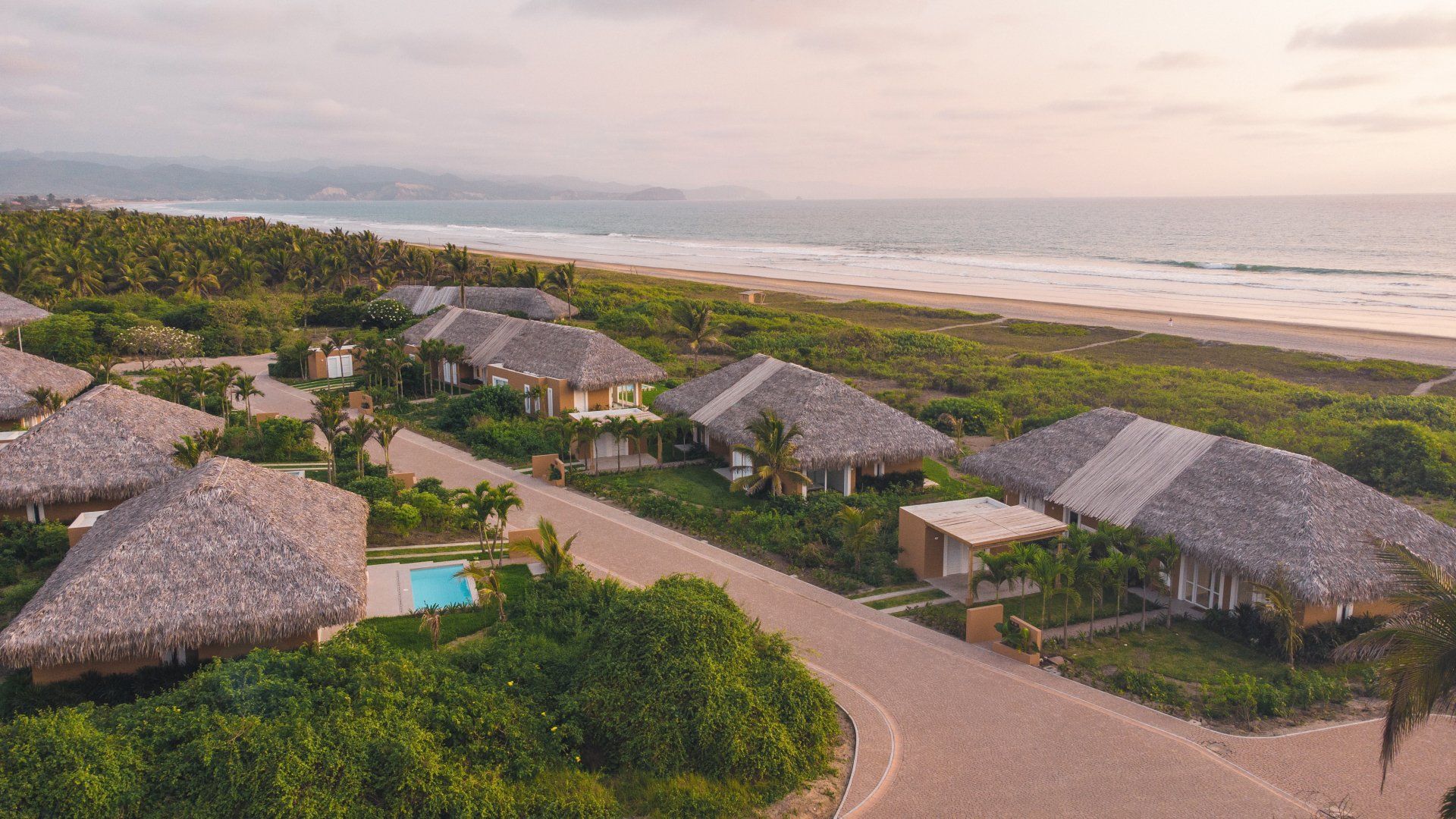
A beachfront setting for travellers seeking to experience the Pacific Coast at a more considered pace.
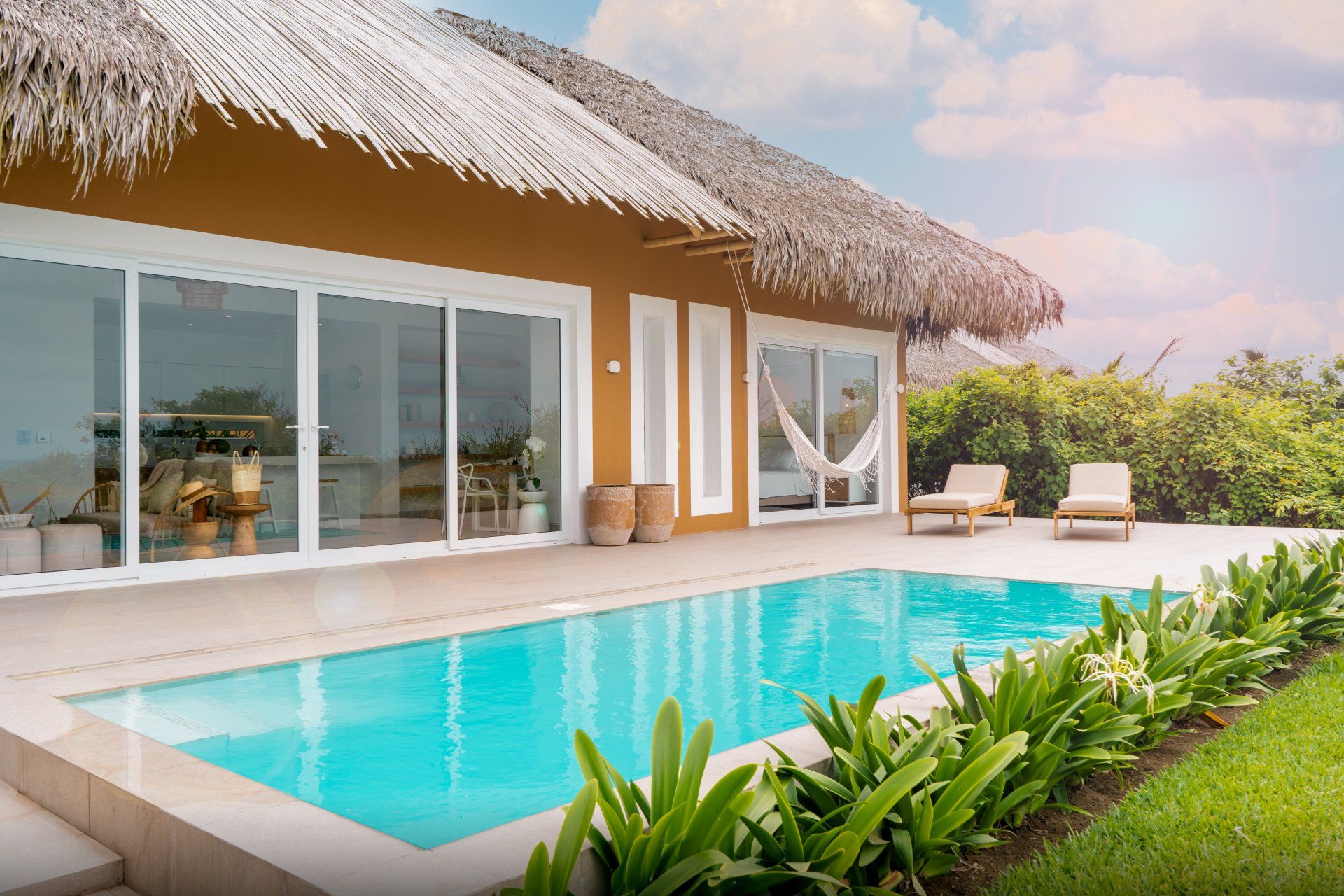
Located in Puerto Cayo, Tanusas brings together accommodation, gastronomy and curated experiences in a natural coastal environment. Its location makes it an appealing place to pause during a journey through Manabí, whether you wish to enjoy time by the ocean or explore the surrounding region.
At Tanusas, the experience extends beyond the accommodation itself. Guests can discover the natural surroundings of the property, enjoy local flavours and take part in activities that connect them with the wider landscape.
A place to slow down
After a day exploring the coastline, returning to a beachfront setting offers an opportunity to unwind and enjoy the quieter side of the journey.
Experiences within and beyond Tanusas
From nature walks and outdoor activities to excursions along the coast, the region offers different ways to discover Manabí. Explore our experiences and activities to learn more about what you can enjoy during your stay.
A peaceful base for your coastal holiday
Whether you are travelling independently, planning a coastal road trip or looking for a peaceful destination to extend your holiday, Tanusas offers accommodation in Puerto Cayo, Manabí.
Discover our rooms and villas, explore our gastronomic offering and book your stay.
The Pacific Coast, one destination at a time
The Ruta del Spondylus reveals a side of Ecuador that rewards curiosity.
From the urban character of Manta to the quieter beaches of Puerto Cayo, the marine landscapes of Machalilla and the cultural heritage of Manabí, every destination offers a different perspective on the Pacific.
For travellers who appreciate natural beauty, local traditions and the freedom to explore at their own pace, the journey is as meaningful as the places along the way.
Discover the Pacific Coast. Experience Manabí. Make Tanusas part of your journey.